
Red wine can feel intimidating at first. People talk about cherry, blackberry, vanilla, oak, leather, tobacco, spice, forest floor, and all kinds of aromas that may not seem obvious when you simply take a sip.
But red wine does not have to be understood all at once. A useful way to read a glass of red wine is to think in three layers: fruit flavors, winemaking flavors, and aging flavors.
This framework is simple enough for everyday tasting, but also useful when choosing a bottle as a gift. Instead of only asking whether a wine is expensive or famous, you can ask a better question: what kind of flavor experience will the recipient enjoy?
The first layer: fruit from the grape
The first and most approachable layer of red wine flavor comes from the grape itself. This is usually what people notice first: cherry, strawberry, raspberry, plum, blackberry, blackcurrant, or sometimes a light floral or herbal note.
A helpful starting point is to ask whether the wine feels more like red fruit or black fruit.
Red-fruit wines may remind you of cherry, cranberry, strawberry, or raspberry. They often feel brighter, lighter, and more delicate. Pinot Noir is a classic example of a red wine that often leans in this direction.
Black-fruit wines may suggest blackberry, black cherry, blackcurrant, or dark plum. They often feel deeper, fuller, and more structured. Cabernet Sauvignon, Syrah, and some Merlot-based wines often show this kind of profile.
For gift giving, this first layer matters because fruit character affects how easy the wine is to enjoy. A red-fruit wine can feel elegant and flexible. A black-fruit wine can feel richer and more formal. Neither is better; they simply suit different people and occasions.
The second layer: flavor from winemaking
The second layer of red wine flavor comes from how the wine is made. This includes fermentation choices, oak aging, blending, and other cellar decisions that shape the wine beyond the grape itself.
This is where you may notice aromas such as vanilla, cocoa, coffee, toast, smoke, cedar, baking spice, clove, or a soft creamy texture. Many of these notes are connected to oak barrels, especially when the wine has spent time aging in wood.
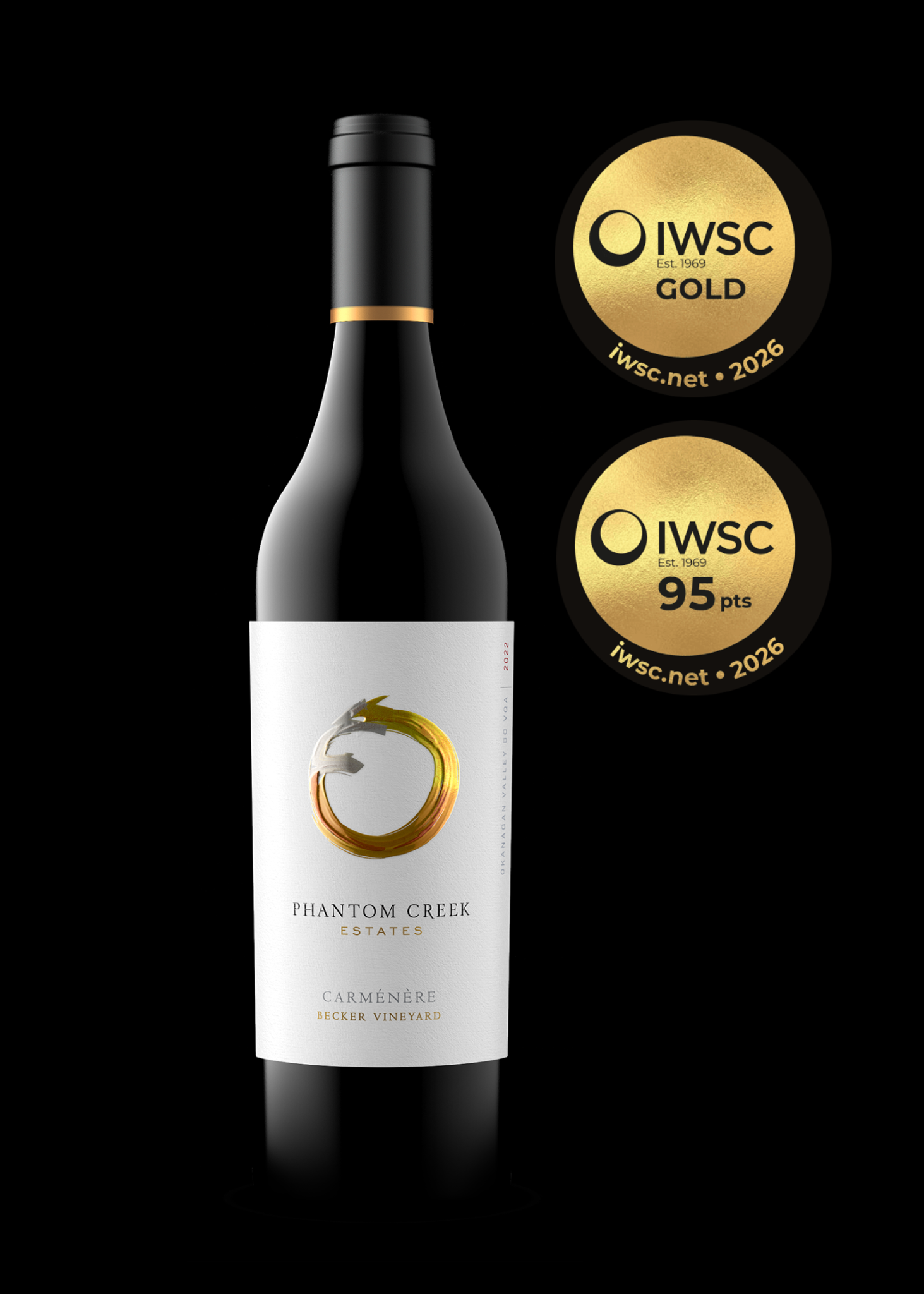
Oak does not simply make a wine “better.” It adds structure, warmth, and another dimension. A wine that begins with blackberry or plum may later show vanilla, chocolate, spice, or a gentle toasted note. That combination can make the wine feel more complete on a dinner table.
This second layer is especially useful for food pairing. Wines with oak, spice, and darker fruit often work well with grilled meat, mushrooms, roasted vegetables, stews, and richer dishes. The flavors in the wine echo the flavors created by heat, browning, and seasoning.
For gifting, this is why some bottles feel more suitable for hosts or dinner occasions. They are not only pleasant to drink; they have enough structure to sit beside food.
The third layer: flavor from time
The third layer of red wine flavor comes from aging. This is the layer that often makes mature red wine feel complex, quiet, and memorable.
As red wine develops, fresh fruit may become softer and more dried. Bright cherry may turn toward dried cherry. Plum may become prune or fig. The wine may also develop notes of leather, tobacco, dried flowers, tea leaves, forest floor, mushroom, cedar, or warm spice.
These flavors can sound unusual if you are new to wine. They are not “fruit flavors” in the simple sense, and they are not always immediately obvious. They often appear slowly, especially after the bottle has been open for a while.
A young red wine can feel direct and energetic. A mature red wine can feel more like a conversation: quieter, layered, and slower to reveal itself.
For wine gifts, the third layer is not always necessary. Many recipients prefer fresh, fruit-forward wines. But for someone who already enjoys wine, a bottle with depth, structure, or aging potential may feel more meaningful than a simple crowd-pleaser.
How to taste the three layers
You do not need professional tasting language to notice these layers. Try this simple approach.
First, look for fruit. Is the wine more red-fruited or black-fruited? Does it feel fresh, ripe, jammy, or dried?
Second, look for winemaking notes. Do you notice vanilla, oak, toast, chocolate, coffee, spice, smoke, or cedar? These flavors can give the wine warmth and shape.
Third, pay attention to the finish. After you swallow, what remains? Is it mostly fruit, or do you notice tea, tobacco, dried flowers, earth, leather, or spice? The finish often reveals whether the wine has more depth.
The point is not to find every possible aroma. The point is to slow down and notice how the wine changes from the first smell to the final aftertaste.
Using the three layers to choose a wine gift
Understanding these layers makes wine gifting much easier.
If the recipient is new to red wine, choose a bottle with clear fruit, soft texture, and an easy finish. Red-fruit or smooth black-fruit wines are often safer than very tannic or heavily aged bottles.
If the bottle is for a dinner host, look for balance: enough fruit to be enjoyable, enough structure to pair with food, and perhaps a little oak or spice to make it feel polished.
If the gift is for a client or formal occasion, presentation and reliability matter. A red wine with recognizable origin, clean packaging, and a refined flavor profile will usually feel more appropriate than something too experimental.
If the recipient is a wine lover, you can choose something with more depth: a wine with layered oak, savory notes, bottle age, or a strong regional story.

A simple way to remember it
Think of red wine as three layers unfolding over time:
- Fruit tells you what the grape gives.
- Winemaking tells you how the wine was shaped.
- Aging tells you what time has added.
The first layer makes the wine approachable. The second layer makes it more useful at the table. The third layer gives it depth and memory.
This is why a good red wine gift is not only about the price of the bottle. It is about matching the wine’s flavor journey to the person receiving it.
Final thought
The next time you open a bottle of red wine, do not rush to decide whether it is simply “good” or “not good.” Smell it first, take a small sip, wait a few seconds, and notice what appears.
Maybe the first impression is cherry or blackberry. Then vanilla, cocoa, spice, or oak begins to show. Finally, the finish may leave tea, tobacco, dried fruit, or a gentle earthy note.
That slow unfolding is what makes red wine interesting. And once you understand the three layers, choosing a red wine — whether for yourself, a dinner host, a client, or a thoughtful gift — becomes much more intuitive.
For more gift-focused guidance, explore our BC wine gifts in Vancouver, learn about Okanagan wine gifts, or Shop All BC Gifts.
FAQ
What are the three layers of red wine flavor?
The three layers are fruit flavors from the grape, winemaking flavors from fermentation and oak aging, and aging flavors that develop over time in the bottle.
What red wine flavors are easiest for beginners to notice?
Fruit flavors are usually the easiest to notice first. Try identifying whether the wine reminds you more of red fruit, such as cherry and raspberry, or black fruit, such as blackberry and blackcurrant.
Why do some red wines taste like vanilla or chocolate?
Vanilla, chocolate, coffee, toast, and spice notes often come from oak aging or other winemaking choices. These flavors add warmth and structure beyond the grape’s natural fruit character.
What makes a red wine good for gifting?
A good red wine gift should match the recipient and occasion. Fruit-forward wines are approachable, oak-aged wines can work well for dinner hosts, and more mature or complex wines may suit experienced wine lovers.
Is BC or Okanagan wine a good gift from Vancouver?
Yes. BC and Okanagan wines can make thoughtful Vancouver gifts because they carry a clear local story and work well for hosts, family, clients, wine lovers, and special occasions.